WordPress vs Custom Website for Small Business in 2026
AI search engines now bypass bloated templates to read your staff bios and credentials directly. Learn whether a custom website or WordPress is better for local business visibility in 2026.
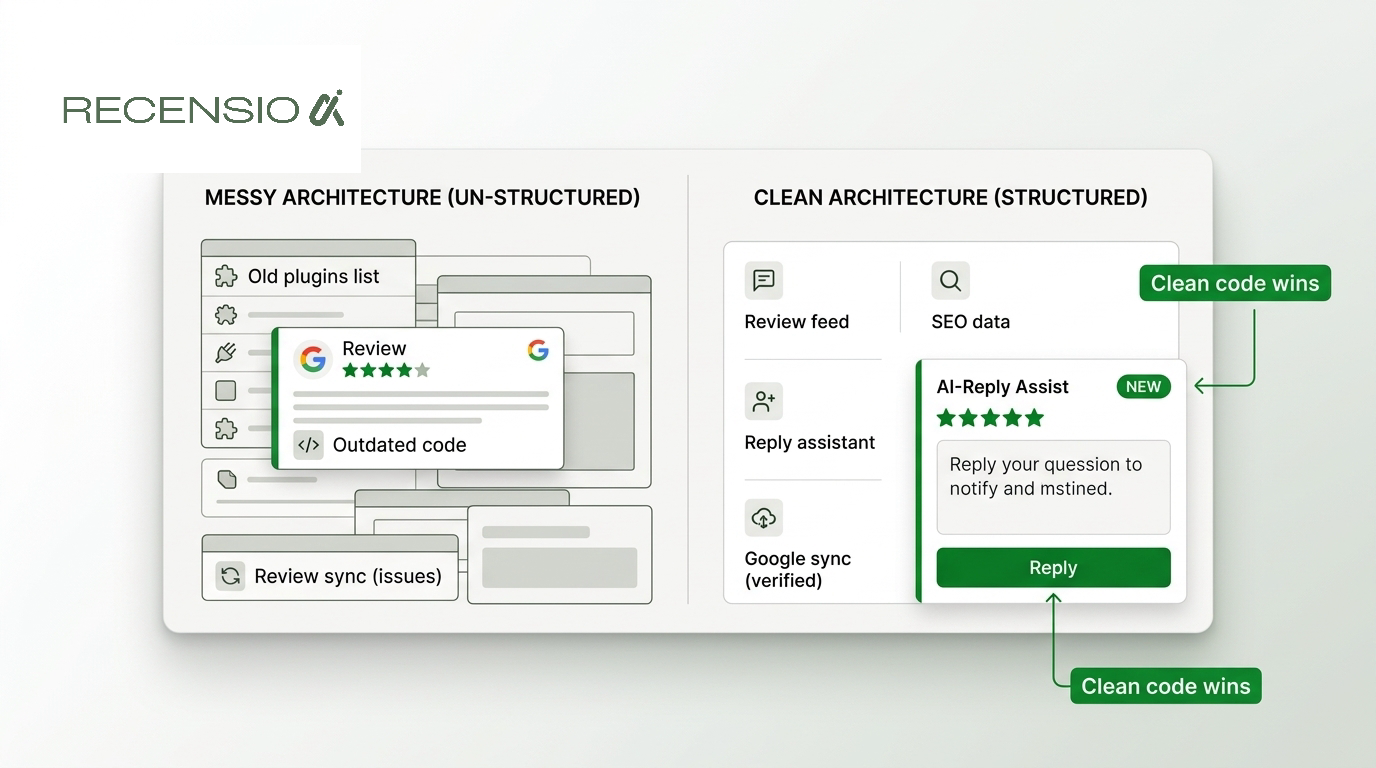
Table of Contents
The short answer
The choice between WordPress and a custom website comes down to your technical skill and free time. WordPress is a powerful system if you know how to code, manage plugins, and handle your own security updates. It gives you total control, but it demands constant attention to keep it running smoothly.
A custom website built by a dedicated team is better for busy owners. You get a modern design tailored to your brand, without the hassle of software updates or broken plugins. The team handles the technical setup, local SEO basics, and mobile testing, letting you focus entirely on running your business.
How AI search changed the website debate
Search engines have changed completely. Tools like Gemini, ChatGPT, and Bing no longer just scan your homepage to figure out what you do. They look for very specific facts to answer direct user questions. This changes the entire debate around website platforms.
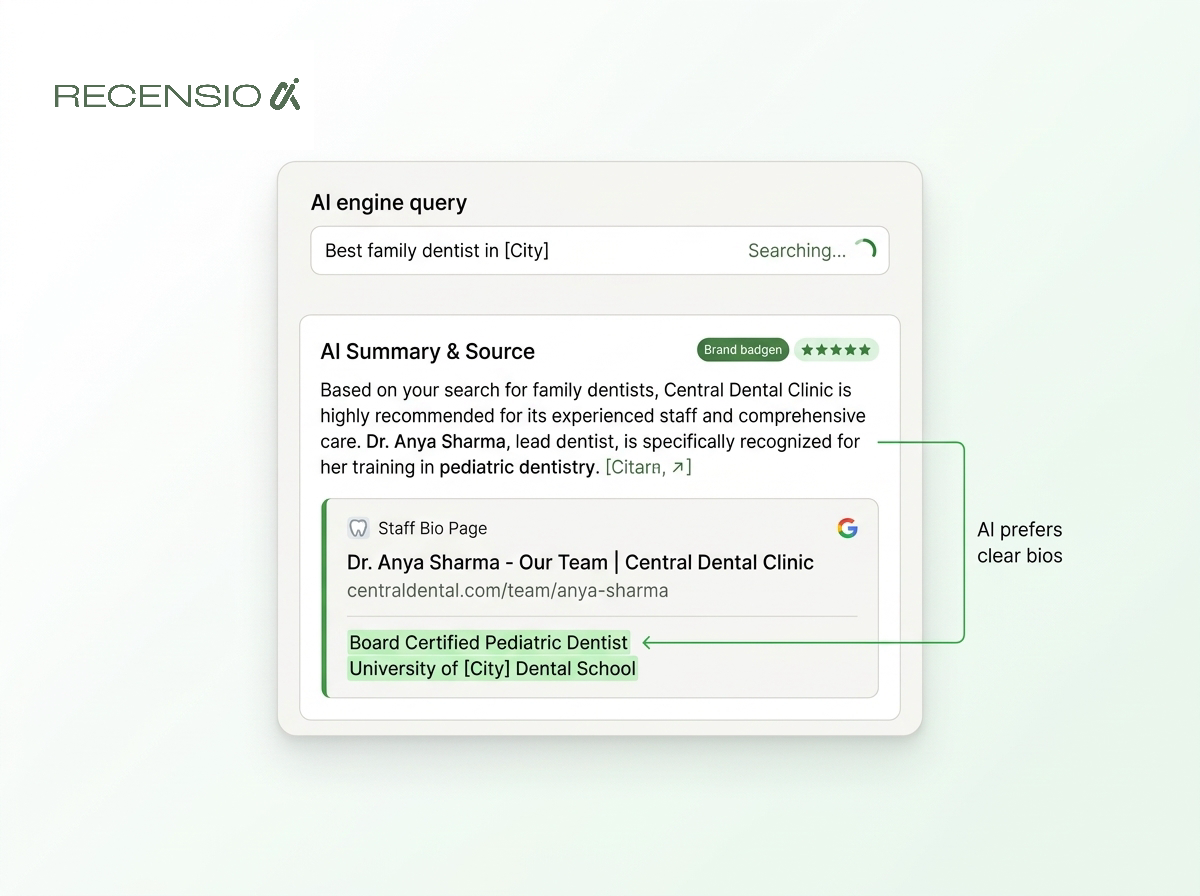
Generic service pages built with heavy templates often fail in this new environment. AI engines prefer to pull information directly from your staff bios, credential pages, and detailed support sections. They want raw, structured facts. If your WordPress site relies on bulky page builders, the code can become too messy for AI tools to parse efficiently.
Clean architecture is now a requirement for local visibility. A custom website allows developers to structure your data exactly how AI engines want to read it. Every page has a clear purpose, and the code remains light and fast. This means when a local customer asks an AI tool for a qualified plumber or a licensed therapist, your business is much more likely to be cited.
You must rethink how you present your business online. It is no longer about flashy animations or massive blocks of generic text. It is about proving your expertise through clear, accessible information.
- Bios: write detailed staff profiles with real credentials.
- Support: answer specific customer questions on dedicated pages.
- Speed: remove heavy page builders that slow down loading times.
- Structure: use clear headings to organize your service details.
Where custom websites win for local SEO
A custom website removes the technical burden from your shoulders. Instead of wrestling with templates, you work with a team that builds exactly what you need. This approach guarantees clean code from the start. Clean code means faster load times and a structure that modern search engines can easily understand.
Local SEO relies heavily on how your website is built. A bespoke site includes the correct technical foundations by default. The developers ensure your contact details, service areas, and business hours are formatted perfectly for Google Maps and AI search tools. You do not need to install extra plugins to achieve basic local visibility.
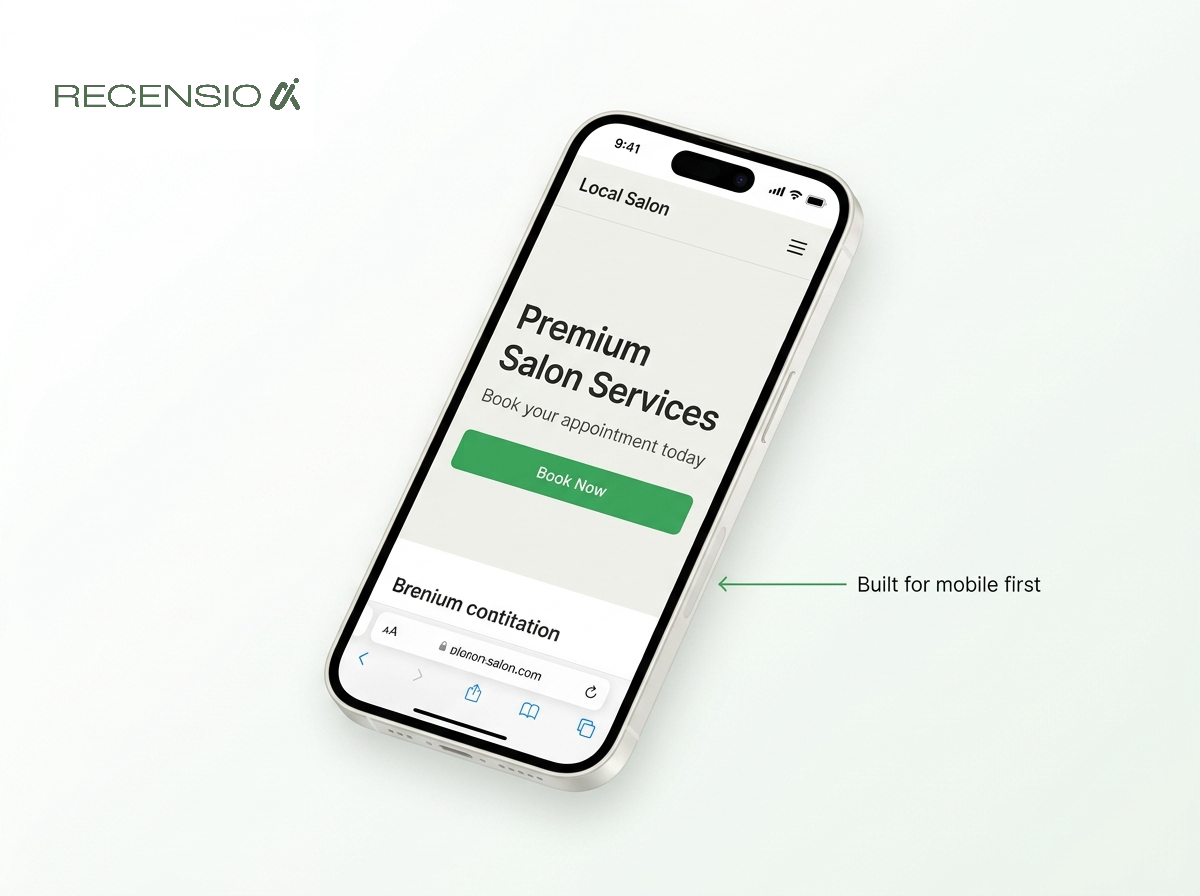
Mobile performance is critical for local businesses. Most of your customers will look you up on their phones while on the go. Custom websites are designed and tested specifically for mobile devices first. The buttons are easy to tap, the text is readable without zooming, and the navigation makes sense on a small screen.
The biggest advantage is the ongoing support. When you need to update your holiday hours or add a new service, you simply contact your team. You get real human support via email or WhatsApp, rather than submitting a ticket to a faceless help center. This peace of mind is invaluable for a busy owner.
- Design: get a unique look that matches your physical location.
- Mobile: ensure perfect display on phones and tablets automatically.
- Code: keep the backend clean for faster AI engine crawling.
- Help: talk to real humans when you need a change made.
Restructuring your site for AI engines
To succeed in 2026, you must restructure your website for AI engines. These tools are looking for entities, which are specific facts about people, places, and concepts. Your website needs to clearly define these entities. Start by moving away from a single, long "About Us" page.
Instead, create individual staff bio pages. Detail their exact qualifications, years of experience, and specific areas of expertise. AI engines use these pages to verify that your business has real, qualified humans doing the work. If a user asks an AI for a "certified pediatric dentist near me", the AI will look for those exact credentials on your staff pages.
Your service pages need the same treatment. Do not lump all your services onto one generic page. Create a dedicated page for each specific offering. Explain exactly what the service includes, who it is for, and what the process looks like. Use plain language and avoid marketing fluff.
Finally, build a dedicated support or FAQ section. Answer the exact questions your customers ask you on the phone every day. Detail your pricing structure, your cancellation policy, and your service area boundaries. The more specific facts you provide, the more likely AI engines are to cite your website as a trusted source.
- Credentials: list all licenses and certifications clearly on one page.
- Bios: write a dedicated page for every key staff member.
- Services: create a separate page for each specific service offered.
- Areas: list the exact neighborhoods and towns you serve.
Comparing the real costs and support
Comparing costs requires looking beyond the initial setup fee. WordPress software is free, but running a professional site is not. You must pay for premium hosting, a professional theme, and often several paid plugins for security and backups. If you hire an agency to build a custom WordPress site, the costs can quickly run into thousands of dollars.
If you build it yourself, the real cost is your time. Every hour you spend learning how to use a page builder or fixing a broken contact form is an hour you are not serving customers. For a busy local business owner, this DIY approach is rarely cost-effective in the long run.
Bespoke websites offer a much clearer value proposition. For example, RecensioAI websites provide a custom modern design, built and tested by a human team. Packages start from 349 one-time. This includes local SEO basics, mobile optimization, and integrations for your booking system and Google reviews.
More importantly, a bespoke service handles the ongoing care. Hosting, SSL certificates, and technical maintenance are managed for you. You get a professional digital presence without the technical headaches, allowing you to focus entirely on growing your local business.
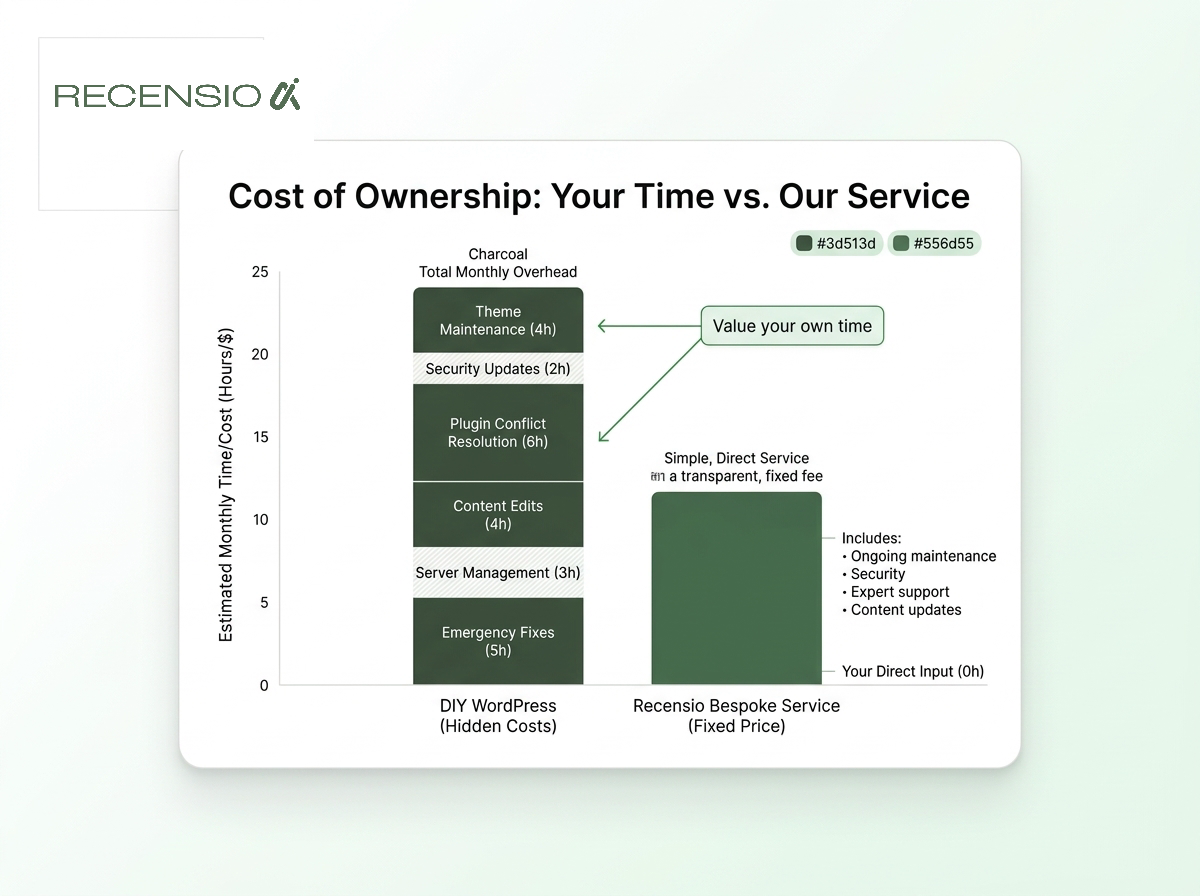
- Time: calculate the hours spent fixing broken WordPress plugins.
- Hosting: factor in the monthly cost of secure, fast servers.
- Design: compare generic templates against bespoke, modern layouts.
- Support: value the ability to message a human for quick updates.
Making the final decision for your business
The final decision depends entirely on how you want to run your business. If you have a background in web development, enjoy tinkering with code, and have plenty of free time, WordPress remains an excellent tool. It offers limitless customization if you know how to build it properly.
However, most local business owners do not fit that description. You are an expert in your trade, whether that is plumbing, accounting, or physical therapy. Your website should be a tool that works for you, not a second job that demands your constant attention.
A custom website is an investment in peace of mind. It ensures your business looks professional, loads fast, and provides search engines with the exact structured data they need in 2026. You get a tailored solution that grows with your business, backed by human support.
Review your current digital presence. If your website is slow, hard to update, or failing to bring in local leads, it is time for a change. Choose the path that gives you the best foundation for modern search visibility while freeing up your time to focus on your customers.
- Skill: assess your comfort level with managing software updates.
- Time: decide how many hours a month you can dedicate to website care.
- Brand: determine if a generic template reflects your business quality.
- Goals: choose the platform that best supports your local SEO strategy.
Frequently asked questions
You might also like
Handpicked articles for you
Hotel Review Management: Automate Post-Stay Requests with Apaleo, Mews and Your PMS
A practical guide to turning hotel checkouts into timely review requests, with Apaleo live, Mews early access and flexible PMS alternatives.
Why the Business Around the Corner Beats You on Google: What 21,373 Profiles Reveal
We compared 21,373 Google Business Profiles with their three strongest nearby competitors. The gap is smaller than most owners think, but it has two sides: rating and volume.
Treatwell Review Management for Salons: One Reputation View Alongside Google
Bring your public Treatwell rating and recent reviews into RecensioAI, then combine salon signals with Google for faster, better decisions.